


Continuing Education in Environmental Technology: Learn, Adapt, and Lead

Chosen theme: Continuing Education in Environmental Technology. Welcome to a home for ambitious learners who protect the planet with skill and heart. Explore practical ideas, inspiring stories, and fresh pathways to grow your expertise. Share your learning goals below and subscribe for weekly insights.

Regulations Evolve Faster Than Manuals
From updated discharge permits to air quality standards and circular economy directives, the rules change faster than textbooks. Continuing education helps you read, interpret, and apply new requirements accurately, preventing costly delays while building confidence with auditors and community stakeholders.
Technology Cycles Are Measured in Months
Sensors, software, and treatment media refresh rapidly, creating big gaps between legacy processes and best practices. Regular coursework keeps you fluent in next-generation tools, so you can evaluate vendors objectively, pilot responsibly, and scale solutions that actually deliver performance.
A Field Story: Turning Curiosity Into Compliance
Maria, a wastewater operator, took evening courses in energy optimization and advanced aeration control. Within six months, her plant cut kilowatt-hours per cubic meter and met stricter nutrient limits. Her curiosity, supported by structured learning, turned into measurable environmental and budget wins.

Emerging Topics To Master This Year

Understand sampling pitfalls, analytical methods, and evolving regulatory frameworks. Explore treatment trains combining ion exchange, granular activated carbon, high-silica media, and destructive options like electrochemical oxidation, ensuring design choices are defensible, maintainable, and aligned with long-term stewardship.

Emerging Topics To Master This Year

Learn greenhouse gas accounting principles, boundaries, and materiality. Practice measurement, reporting, and verification workflows, then apply low-carbon design tactics—process electrification, heat recovery, and circular feedstocks—to reduce emissions while maintaining safety, reliability, and financial viability.

Emerging Topics To Master This Year

Explore sensor selection, telemetry, and data quality rules for real-time networks. Integrate satellite imagery, drones, and GIS to visualize risks, discover anomalies, and target interventions, turning raw data into decisions that protect communities and ecosystems with greater speed.

From Theory to Practice: Hands-On Skills

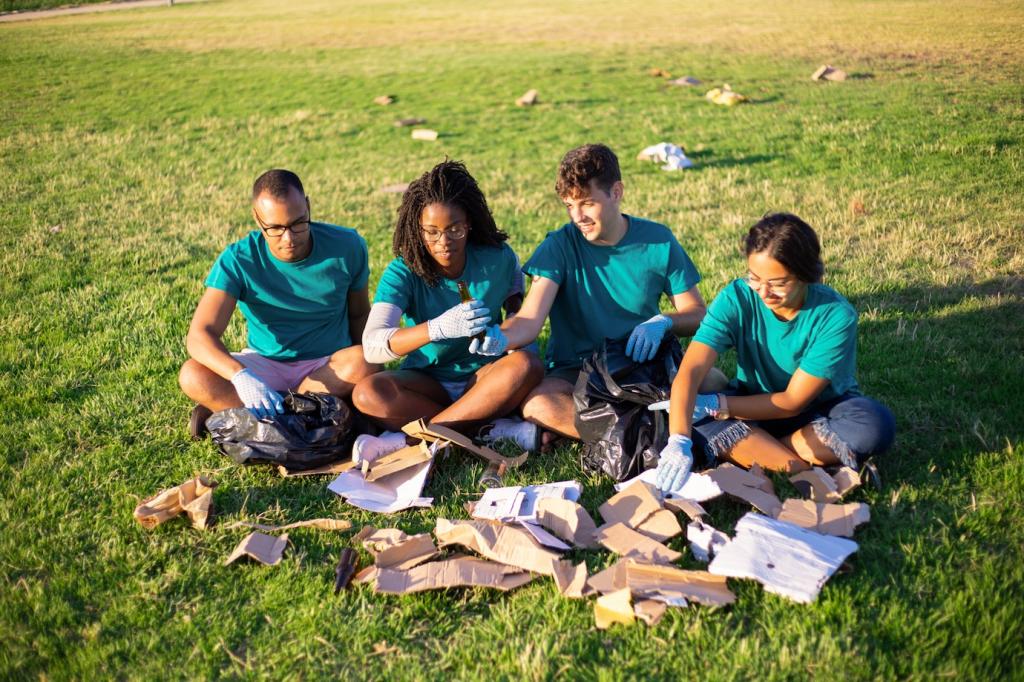
Master chain-of-custody, contamination control, and representative sampling strategies for water, air, soil, and waste streams. Rigorous QA/QC is your credibility backbone, especially when decisions, permits, or community trust hinge on the numbers you report.

From Theory to Practice: Hands-On Skills

Use Python, R, or low-code analytics to clean datasets, model uncertainty, and build dashboards. Visualizations turn complex measurements into clear narratives that guide action, helping stakeholders grasp what is changing, why it matters, and which trade-offs are acceptable.

Assess Skills and Define Outcomes

Audit your technical, data, and communication skills. Translate gaps into measurable learning outcomes with dates, deliverables, and evidence, such as a finished toolkit, a dashboard, or a field protocol your team can adopt confidently.

Timeboxing and Learning Sprints

Protect weekly time blocks, run two- to four-week sprints, and conclude with a demo to peers or mentors. Small, consistent wins compound into mastery, while community feedback aligns your learning with real project needs.

Your Learning Stack: Platforms and Practice

Blend MOOCs, webinars, podcasts, open textbooks, and lab kits. Use a simple system to capture notes, flashcards, and reflections, then schedule hands-on practice so concepts stick and transfer smoothly into daily environmental workflows.

Career Growth Through Continuing Education

Document before-and-after metrics, code snippets, SOPs, dashboards, and photos from pilots or fieldwork. Narratives that connect problems, methods, and results help employers see your judgment, not just your credentials or course completion badges.

Career Growth Through Continuing Education

Join professional societies, local working groups, and online forums. Share lessons learned, ask thoughtful questions, and volunteer for committees. Networks built on contribution open doors to collaborations, references, and opportunities that rarely appear on job boards.

Funding Your Learning Journey

Ask about tuition assistance, conference funds, and time allocations for study. Propose learning plans tied to project outcomes, then share wins internally to build a stronger case for continued investment in your professional growth.

Funding Your Learning Journey

Professional organizations, universities, and foundations fund environmental training, especially for emerging leaders and underrepresented groups. Track deadlines, tailor applications to mission fit, and collect evidence of impact to strengthen renewals and future opportunities.
Tiareleongphotography
Privacy Overview

This website uses cookies so that we can provide you with the best user experience possible. Cookie information is stored in your browser and performs functions such as recognising you when you return to our website and helping our team to understand which sections of the website you find most interesting and useful.